When most people think about national security, they think about armies, missiles, borders, and military conflicts.
Increasingly, however, policymakers are focusing on a different threat—one that does not arrive in tanks or warships.
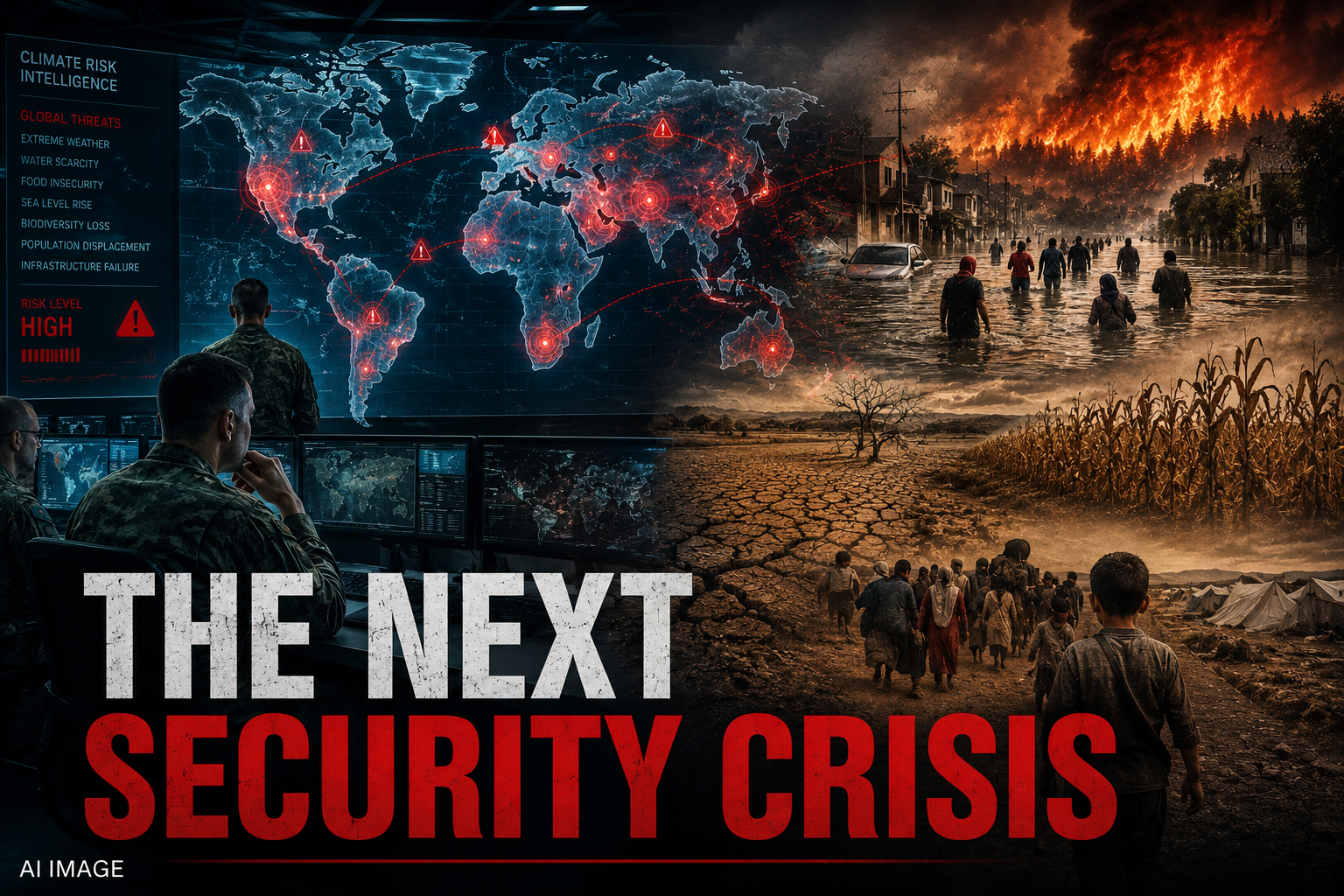
Climate change is gradually being recognized as a force capable of destabilizing economies, disrupting critical infrastructure, intensifying resource competition, and contributing to humanitarian crises.
The result is a significant shift in how governments define security in the twenty-first century.
What Happened
Recent warnings from senior United Nations officials and climate policy experts have highlighted the growing connection between climate change and national security.
According to public statements made ahead of international climate discussions, security strategies that fail to account for climate-related risks may leave countries vulnerable to future instability. Reports indicate that international organizations increasingly view climate impacts as a factor capable of contributing to food insecurity, displacement, economic disruption, and conflict.
The debate reflects a broader trend in which governments are integrating climate assessments into long-term strategic planning.
Background
Historically, environmental policy and national security policy were treated as separate areas of government.
Climate change was largely discussed through the lens of emissions, energy transitions, and environmental protection.
Over time, however, researchers began documenting links between environmental stress and social instability.
Prolonged droughts can reduce agricultural output.
Water shortages can increase competition between communities and regions.
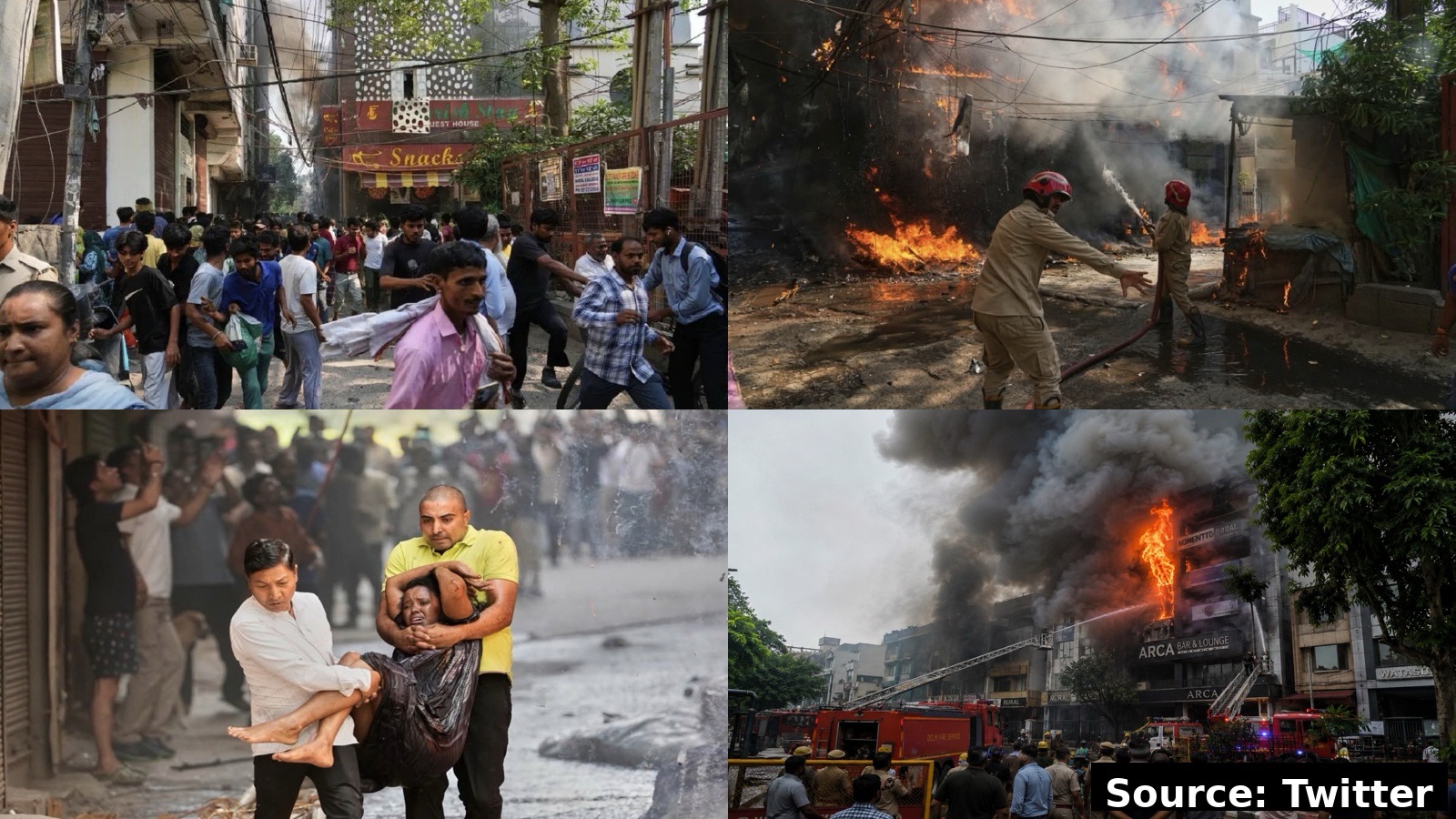
Extreme weather can damage infrastructure and disrupt economic activity.
Rising sea levels threaten coastal populations and strategic assets.
As these risks accumulate, governments increasingly view climate impacts as “threat multipliers”—factors that can worsen existing political, economic, and social tensions.
Why It Matters
The implications extend beyond environmental concerns.
For citizens, climate-related disruptions can affect food prices, employment, public services, and living conditions.
For governments, increasing disaster response costs may place pressure on public finances and emergency management systems.
For businesses, supply chains, insurance costs, infrastructure planning, and investment decisions are becoming more sensitive to climate risks.
For society, climate-related migration and resource stress can create new governance challenges that require long-term planning rather than short-term crisis management.
For developing countries, including India, the challenge is particularly significant because rapid economic growth must occur alongside climate adaptation efforts.
Analysis
The most important insight is that climate change rarely creates conflict on its own.
Instead, it amplifies existing vulnerabilities.
A drought does not automatically lead to instability.
However, a drought combined with weak governance, economic stress, food shortages, and political tensions can create conditions in which instability becomes more likely.
This is why security experts increasingly describe climate change as a risk multiplier rather than a traditional threat.
A second important trend is that national security planning is evolving.
Historically, military strength was measured through troop numbers, weapons systems, and defence budgets.
Today, resilience is becoming equally important.
The ability to protect water systems, energy networks, transportation infrastructure, food supplies, and public health systems is increasingly viewed as a component of national security.
For India, this shift is especially relevant.
The country faces climate-related risks ranging from heatwaves and water stress to extreme rainfall events and coastal vulnerabilities. Managing these challenges effectively may become as important as traditional security planning in the decades ahead.
Historically, societies have often adapted to environmental changes through innovation and governance reforms.
The lesson from climate security debates is not that conflict is inevitable.
The lesson is that preparedness matters.
Countries that invest early in resilience, adaptation, and infrastructure may be better positioned to manage future shocks.
Conclusion
Climate change is transforming how governments think about risk.
What was once viewed primarily as an environmental issue is increasingly being treated as a strategic challenge with implications for economies, public services, migration, infrastructure, and national stability.
The key question is no longer whether climate change affects security.
The debate has shifted toward how governments can prepare for its consequences before they become crises.
With AI inputs