READ TIME: 7 Minutes
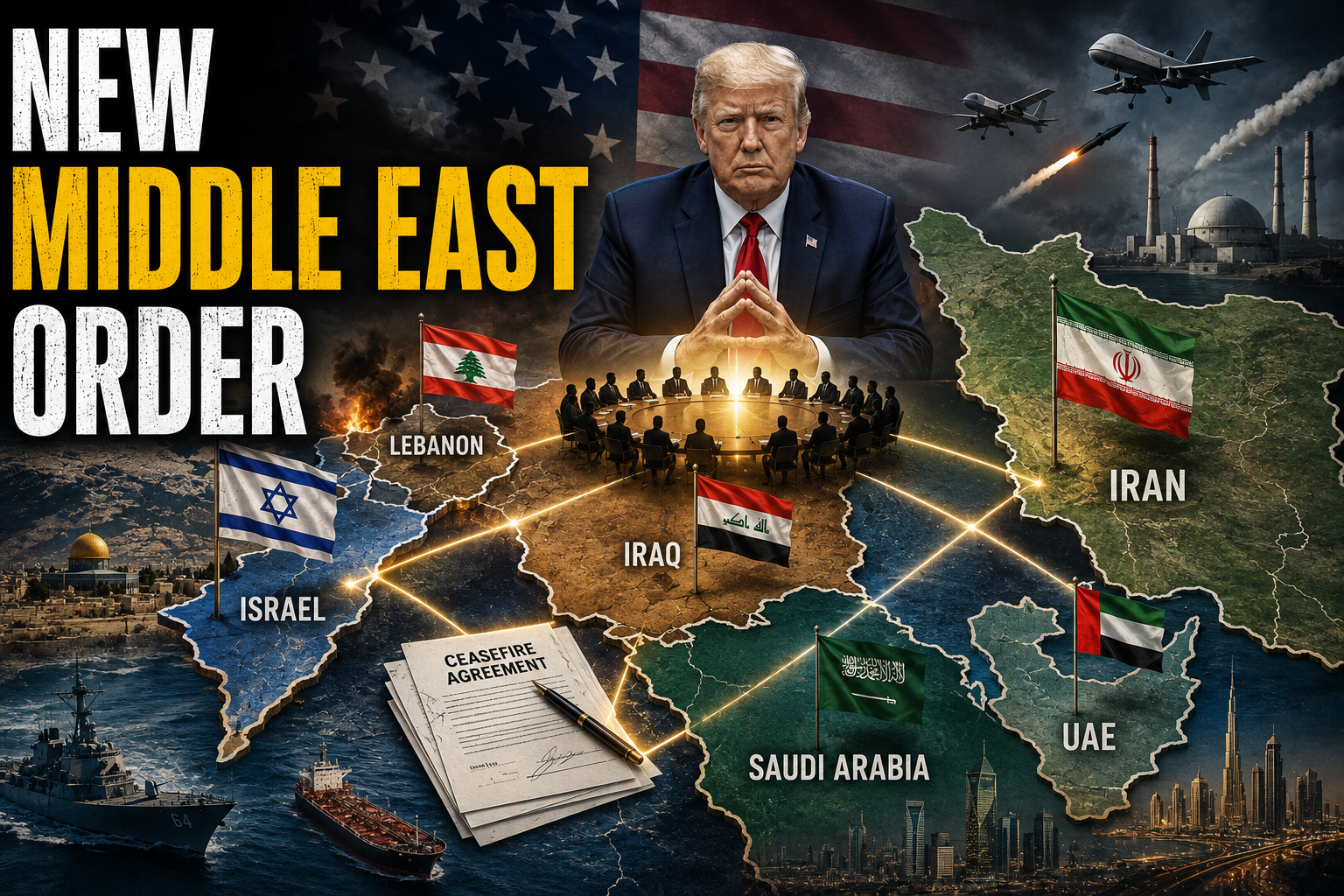
Global fuel prices are once again at the center of international attention as geopolitical tensions and military confrontations influence energy markets. Developments in the Middle East, particularly around strategic energy routes, have triggered concerns about supply disruptions, inflation and economic growth. Recent escalations involving Iran, Gulf nations and the United States have added fresh uncertainty to an already fragile global economy.
What Happened
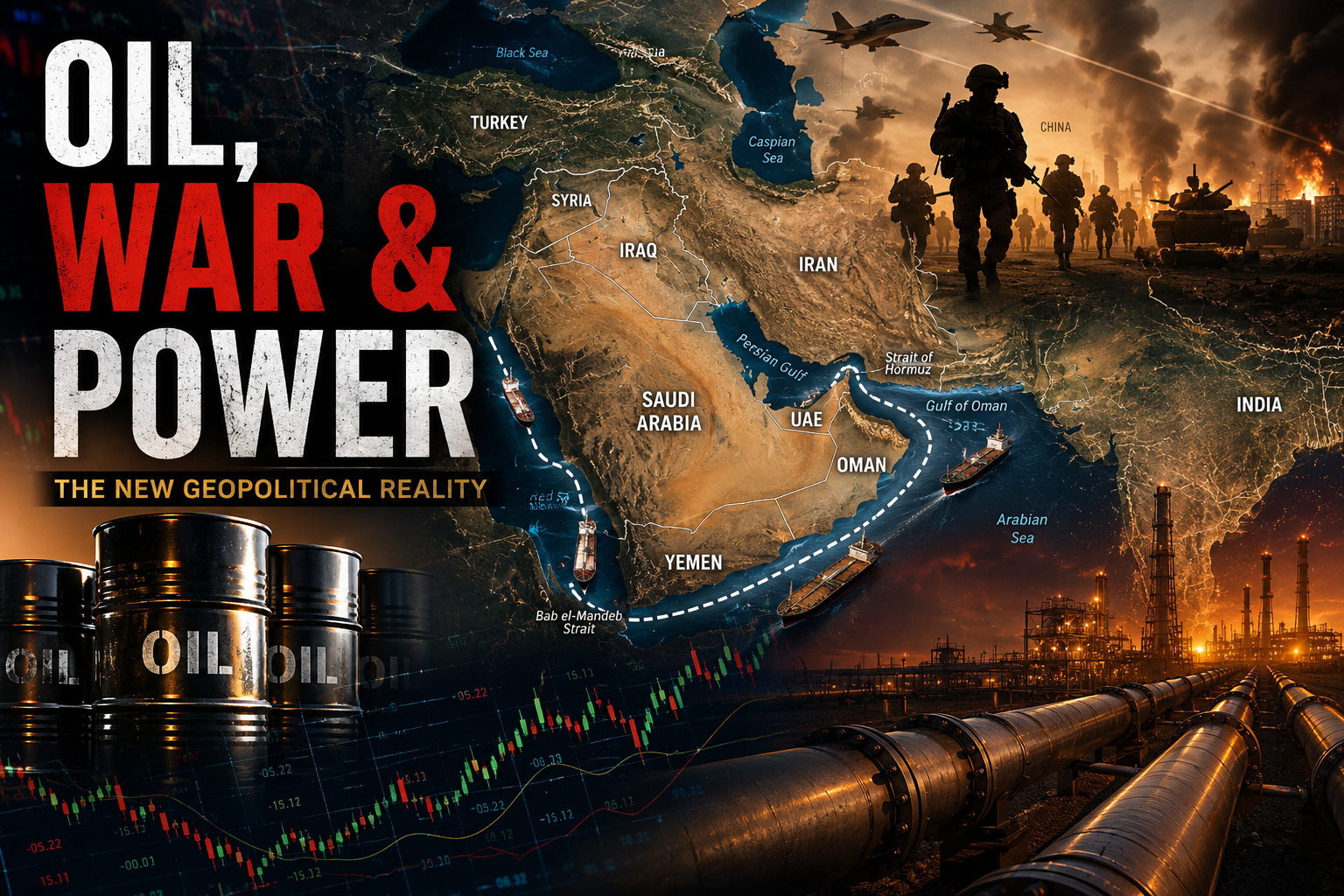
Energy markets are closely watching developments near the Strait of Hormuz, one of the world’s most important oil transit corridors. Renewed hostilities and military activity in the region have increased concerns about the movement of crude oil and natural gas supplies. Oil prices have reacted sharply to these developments, while investors have shifted towards safer assets amid rising uncertainty.
Analysts and international agencies have warned that prolonged disruptions could affect both oil supply and global economic growth. Several forecasts have already been revised to account for continued instability in energy markets.
Background
Historically, geopolitical conflicts involving major energy-producing regions have had a direct impact on global fuel prices. The Middle East remains central to the world’s oil supply chain, and any disruption in the region tends to affect shipping routes, insurance costs and energy availability.
The Strait of Hormuz alone serves as a critical gateway for global oil exports. Any reduction in traffic through this corridor can quickly influence international crude prices.
Key Developments
Recent market assessments indicate significant pressure on global energy supplies. International energy agencies have reported declining inventories and disruptions in oil flows, while several financial institutions have increased their crude oil price forecasts.
Global stock markets have also shown signs of nervousness, with investors responding to uncertainty surrounding the conflict and its economic implications. Meanwhile, alternative suppliers in regions such as South America have attempted to increase exports to offset supply gaps.
Why It Matters
For Citizens
Higher crude oil prices can eventually translate into increased transportation costs, higher prices for goods and services, and inflationary pressure on household budgets.
For India
India imports a substantial portion of its crude oil requirements. Rising international oil prices can affect import bills, pressure the rupee and influence inflation. Recent currency movements have already reflected concerns over rising crude prices and geopolitical uncertainty.
For Businesses
Industries dependent on logistics, aviation, manufacturing and petrochemicals may face increased operating costs if energy prices remain elevated.
For Governments
Governments may need to balance fiscal priorities while protecting consumers from the impact of higher energy costs.
Analysis
The current geopolitical environment demonstrates how interconnected modern economies have become. A military escalation in one region can rapidly affect fuel prices, financial markets and consumer spending across continents.
Another emerging trend is the diversification of global energy supply chains. Countries and energy companies are increasingly seeking alternatives to traditional suppliers, while strategic reserves and new production centers are gaining importance. South American producers, for example, have emerged as significant contributors during recent supply disruptions.
Experts also warn that prolonged instability could slow economic growth while keeping inflation elevated, creating challenges for central banks and policymakers worldwide.
Questions That Remain
• Will diplomatic efforts succeed in reducing regional tensions?
• How long could disruptions to energy flows continue?
• Can alternative suppliers fully compensate for reduced Middle Eastern exports?
• What measures will governments adopt to shield consumers from rising energy costs?
• How will prolonged uncertainty affect global growth projections?
What Happens Next
Markets are likely to remain sensitive to developments in the Middle East. Investors, governments and energy companies will continue monitoring supply routes, military developments and diplomatic negotiations.
Any signs of de-escalation could ease pressure on oil prices, while further disruptions may increase volatility across commodities, currencies and equity markets.
Frequently Asked Questions
Q1: Why do wars affect fuel prices?
Conflicts in major energy-producing regions can disrupt supply chains, increase shipping risks and reduce available oil exports, leading to higher prices.
Q2: Why is the Strait of Hormuz important?
It is one of the world’s most critical energy transit routes, carrying a significant share of global oil exports.
Q3: How could rising oil prices affect India?
Higher crude prices can increase import costs, influence inflation, affect the rupee and raise transportation and production expenses.
Conclusion
The relationship between geopolitics and energy has once again come into sharp focus. As conflicts influence supply routes and market sentiment, the effects extend far beyond battlefields. For India and the broader global economy, the coming months will depend not only on military developments but also on diplomatic efforts, energy resilience and economic adaptability.
With AI inputs