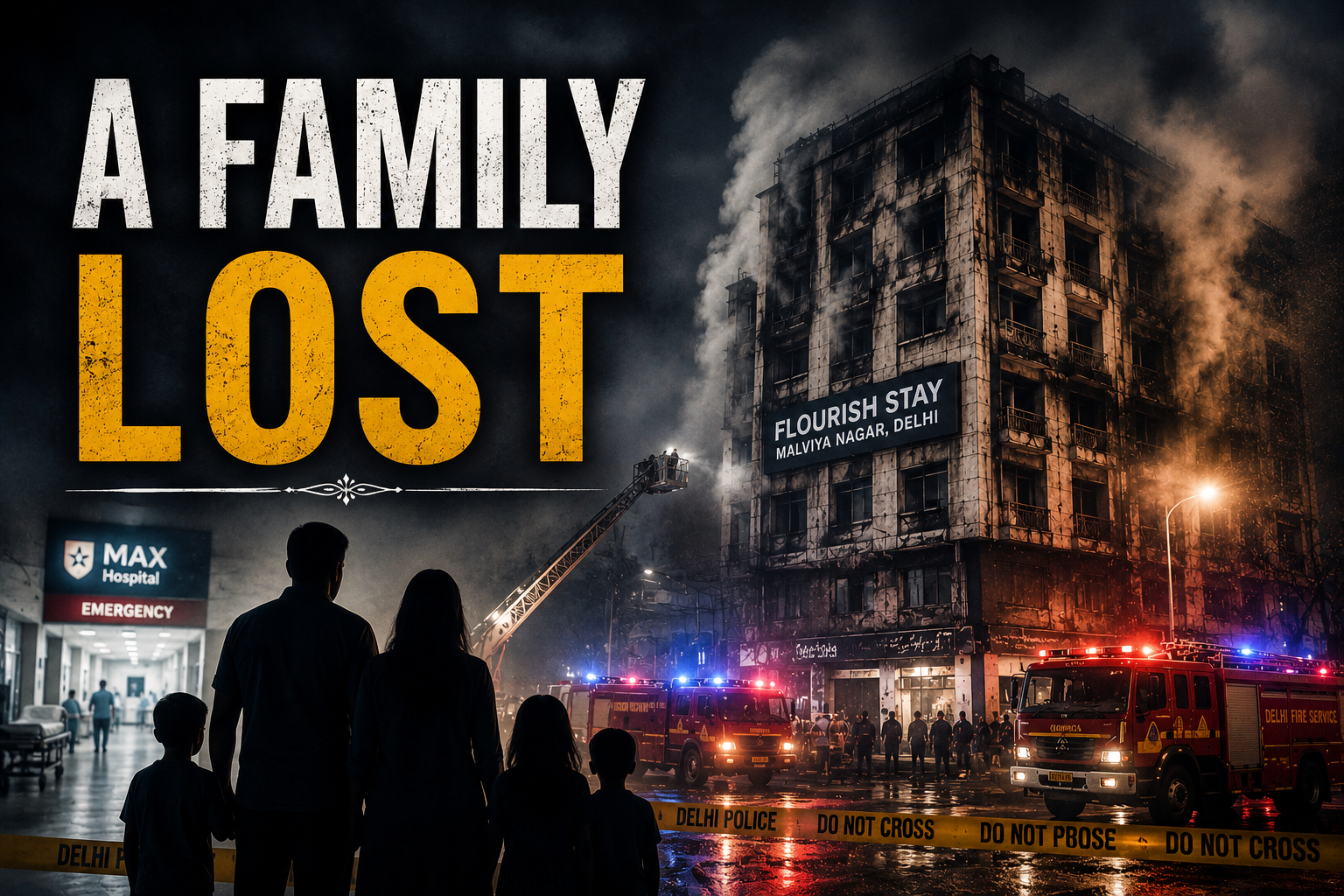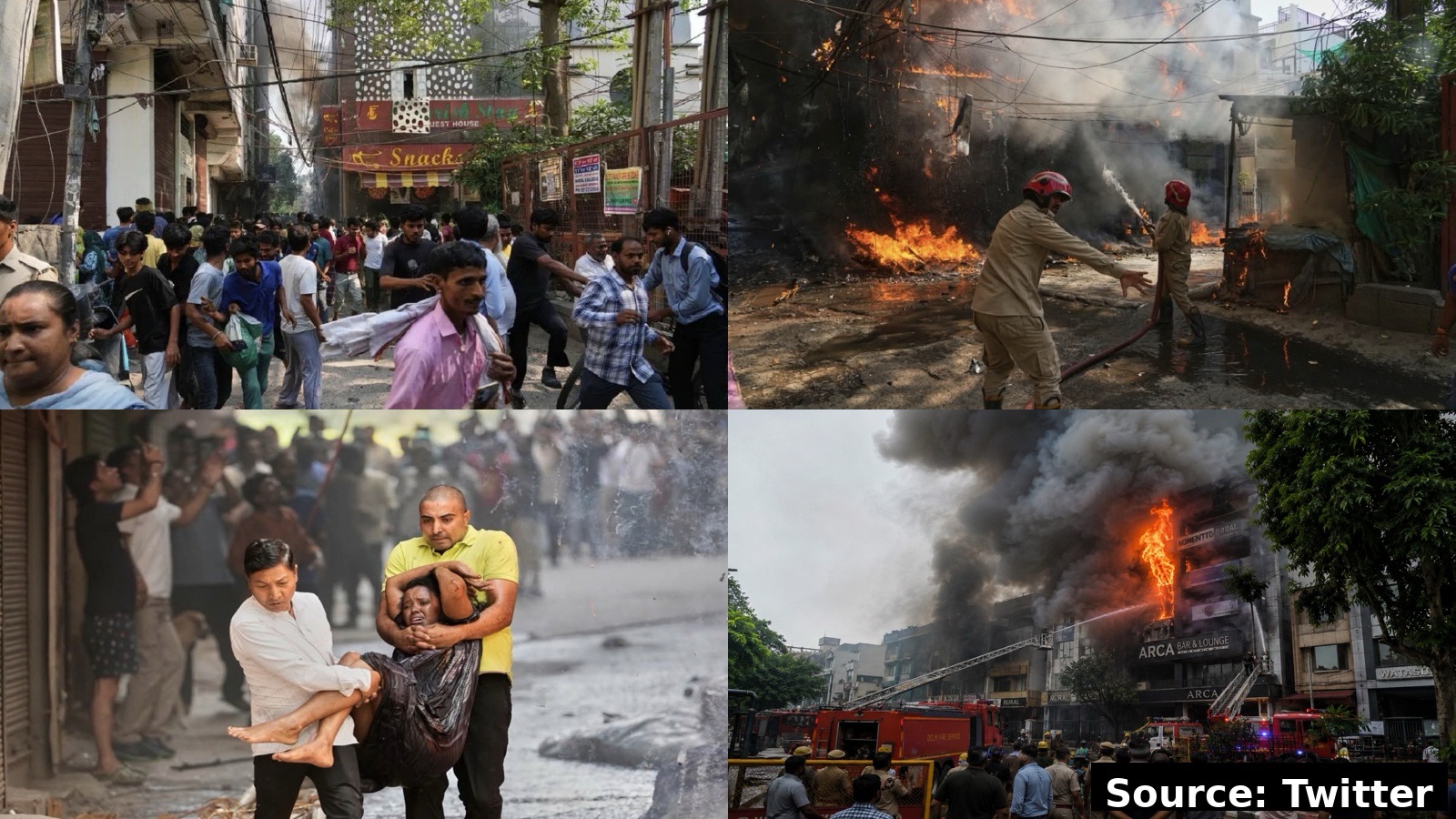
A devastating fire that tore through a hotel-and-restaurant building in South Delhi’s Malviya Nagar has claimed at least 21 lives, making it one of the deadliest fire incidents in the national capital in recent years. The tragedy unfolded within minutes, trapping dozens of occupants inside the building as thick smoke and flames spread rapidly through the structure.
Background
Delhi has witnessed several fatal fire incidents over the years, often exposing recurring concerns around building compliance, fire clearances, and emergency preparedness. Rapid urbanisation, congested neighbourhoods, and unauthorized structural modifications have frequently complicated rescue efforts during such emergencies.
The building involved in the latest incident reportedly housed a restaurant on the lower floors and hotel accommodation above, attracting both domestic and foreign guests. Many of the foreign visitors were reportedly in Delhi for medical treatment or accompanying patients.
Key Developments
According to officials, the fire broke out on the morning of June 3 and is suspected to have originated in a restaurant operating within the premises. Emergency responders rushed to the site, deploying multiple fire tenders and rescue teams. Despite efforts to evacuate occupants, several people were trapped by smoke and flames. Witnesses reported seeing individuals jumping from upper floors in desperate attempts to escape.
Authorities have detained the building owner and launched an investigation into the cause of the fire. Preliminary reports indicate possible violations related to occupancy and fire safety norms. Some reports suggest the establishment may have been operating beyond its approved capacity and lacked adequate emergency exits.
Why It Matters
This tragedy extends beyond a single building fire. It raises serious questions about regulatory oversight, enforcement of safety standards, and the condition of commercial establishments operating in densely populated urban areas.
For citizens, the incident is a stark reminder that fire safety remains a public safety issue, not merely a compliance requirement. For authorities, it highlights the need for stricter inspections and accountability mechanisms.
The Malviya Nagar fire exposes a pattern seen in many urban disasters: regulations exist, but enforcement often falls short. When commercial establishments allegedly expand beyond approved limits or operate without adequate safety infrastructure, the consequences can be catastrophic.
The incident also underscores challenges faced by emergency responders in congested city neighbourhoods, where narrow access routes can delay rescue operations and increase casualties.
Beyond the immediate loss of life, the tragedy is likely to trigger broader discussions on building audits, licensing procedures, and the responsibility of local authorities to monitor high-risk establishments.
What Happens Next
Investigators are expected to examine the source of the fire, the building’s compliance status, and whether negligence contributed to the loss of life. Criminal proceedings may follow if violations are confirmed.
Meanwhile, civic authorities could face renewed pressure to conduct large-scale fire safety inspections across hotels, restaurants, guest houses, and commercial buildings in Delhi.
With inputs of AI